

Toronto Travel Guide for First Time Visitors
Thinking of visiting Toronto but not sure if it’s worth the trip? Whether you’re planning your first Canadian adventure or just looking for your next city getaway, Toronto is a city that offers an unforgettable blend of culture, entertainment, and diversity.
As a seasoned world traveller and Toronto local, I’ve experienced this city from both sides – wide-eyed tourist and everyday resident. That’s why I created this travel guide for Toronto. I’ll help first-time visitors understand where to stay, how to get around, and the best things to do, see, and eat. I’ll share local tips and hidden gems!
Whether you’re into food, festivals, or day trips like Niagara Falls, Toronto’s full of world-class museums, endless parks and outdoor nature spots, and food from every culture! You’ll never run out of things to do and ways to explore.
My Toronto travel guide covers everything you need to plan your visit from where to stay and when to come, to what to eat, see, and do.
This site contains affiliate links. If you make a purchase using one of these links, we may receive compensation at no extra cost to you. See our Disclosure Policy for more information.
Toronto at a Glance: What First-Time Visitors Should Know


Toronto – my home town – is Canada’s largest city, known for its cultural diversity, world‑class attractions, vibrant neighbourhoods, and easy access to natural wonders like Niagara Falls.
It’s one of the most culturally diverse cities on Earth. Over half of its residents were born outside of Canada, and more than 200 ethnic groups call the city home, speaking over 140 languages. One day I can dining in Little Italy, the next in China Town, and the next enjoying Greek food on the Danforth.
I still remember how, as kids, we’d hop on a random streetcar just for the fun of it – getting off in a neighbourhood we hadn’t explored before. We’d wander the streets, pop into local shops and cafes, or enjoy small parks and stunning gardens. That curiosity is still one of the best ways to experience Toronto today.
As Ontario’s capital (not to be confused with Canada’s capital, Ottawa), Toronto is also a buzzing, modern city. Its skyline boasts over 100 skyscrapers – the third tallest in North America after New York and Chicago. Walking around downtown I’m alway mesmerized by the incredible buildings and architecture.
But what really makes Toronto special is how fun, welcoming, and safe the city is. Toronto’s magic isn’t just in its skyline – it’s in the people, streets and neighbourhoods. Toronto doesn’t just reflect multiculturalism – it lives and breathes it.
Where is Toronto? Location, Map & Why It Matters for Travellers

Toronto is located in southern Ontario, right on the northern shore of Lake Ontario. It’s Canada’s largest city – but interestingly, it’s closer to several major U.S. cities than to many other Canadian provinces. Buffalo, Detroit, Cleveland, and even Pittsburgh are just a few hours away by car, while Montreal is about a five-hour drive east.
Being just two hours from Niagara Falls also makes Toronto a popular base for travellers wanting to explore one of the world’s most iconic natural wonders.
Its lakefront location is one of its most underrated features. On a warm day, you can take a ferry to the Toronto Islands, bike along the waterfront trails, or relax at one of the city’s urban beaches. It’s not what most people expect from a major city but it’s one of the things locals love most.
What Makes Toronto Special: Culture, Neighbourhoods and Experiences


What I love most about Toronto is its sheer variety. No two visits are ever the same. It’s a city that blends world-class attractions with quiet moments along Lake Ontario. You’ll find skyscrapers and beaches, bustling markets and serene parks, theatre performances one night and multicultural street festivals the next.
Each neighbourhood has its own vibe – from the historic charm of the Distillery District to the vibrant energy of Kensington Market – and that diversity extends to the people, food, and experiences. Whether you’re visiting Toronto as a solo traveller, visiting with kids, enjoying retirement, or planning a romantic getaway, Toronto has something to offer everyone.
And while it’s no secret that Toronto hotels can be pricey, there are plenty of free and low-cost ways to experience the city, from walking trails and public art to live events and scenic ferry rides. Plus, with Niagara Falls just two hours away, it’s easy to pair city life with one of Canada’s most iconic natural wonders.
Best Things to Do in Toronto: A Complete Toronto Activity Guide
If you’ve heard people say there’s not much to do in Toronto – you’ve been reading the wrong travel blogs.
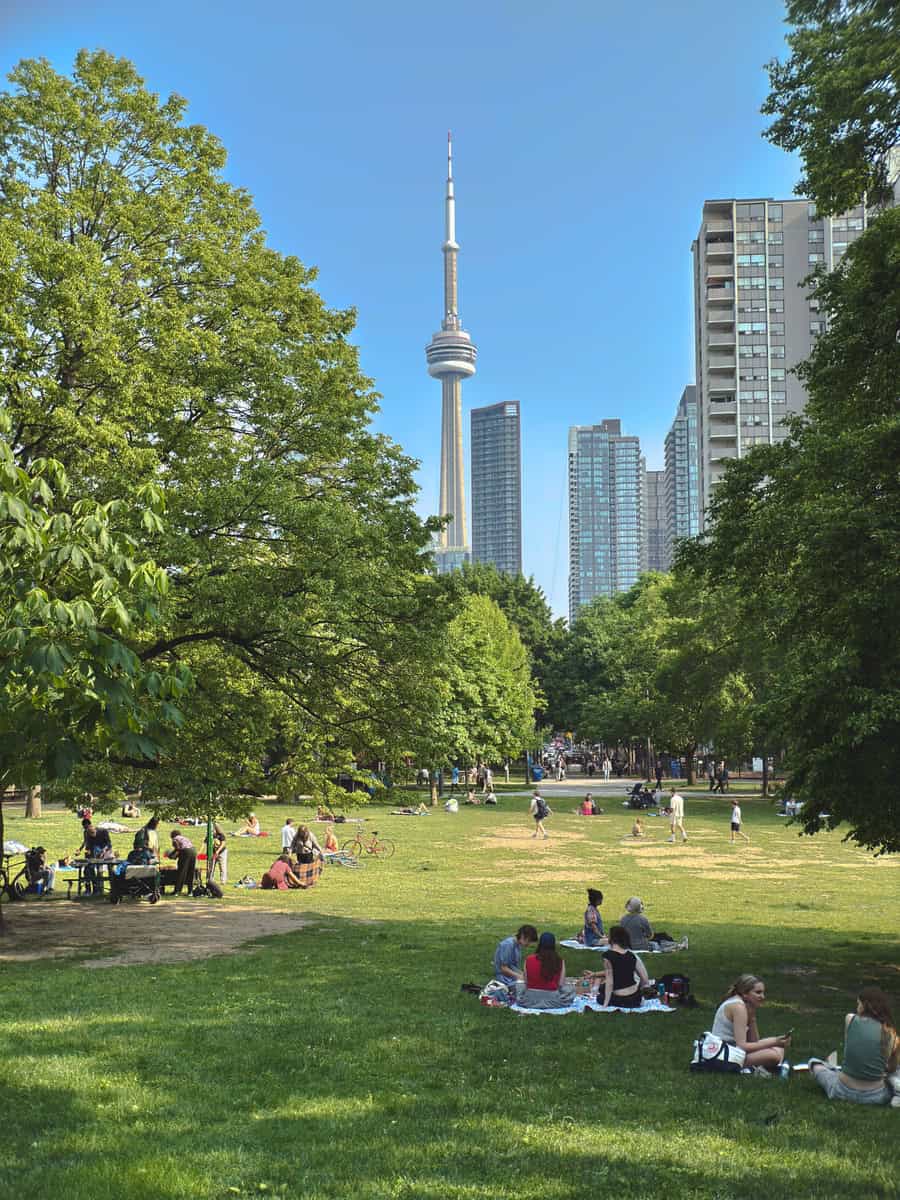
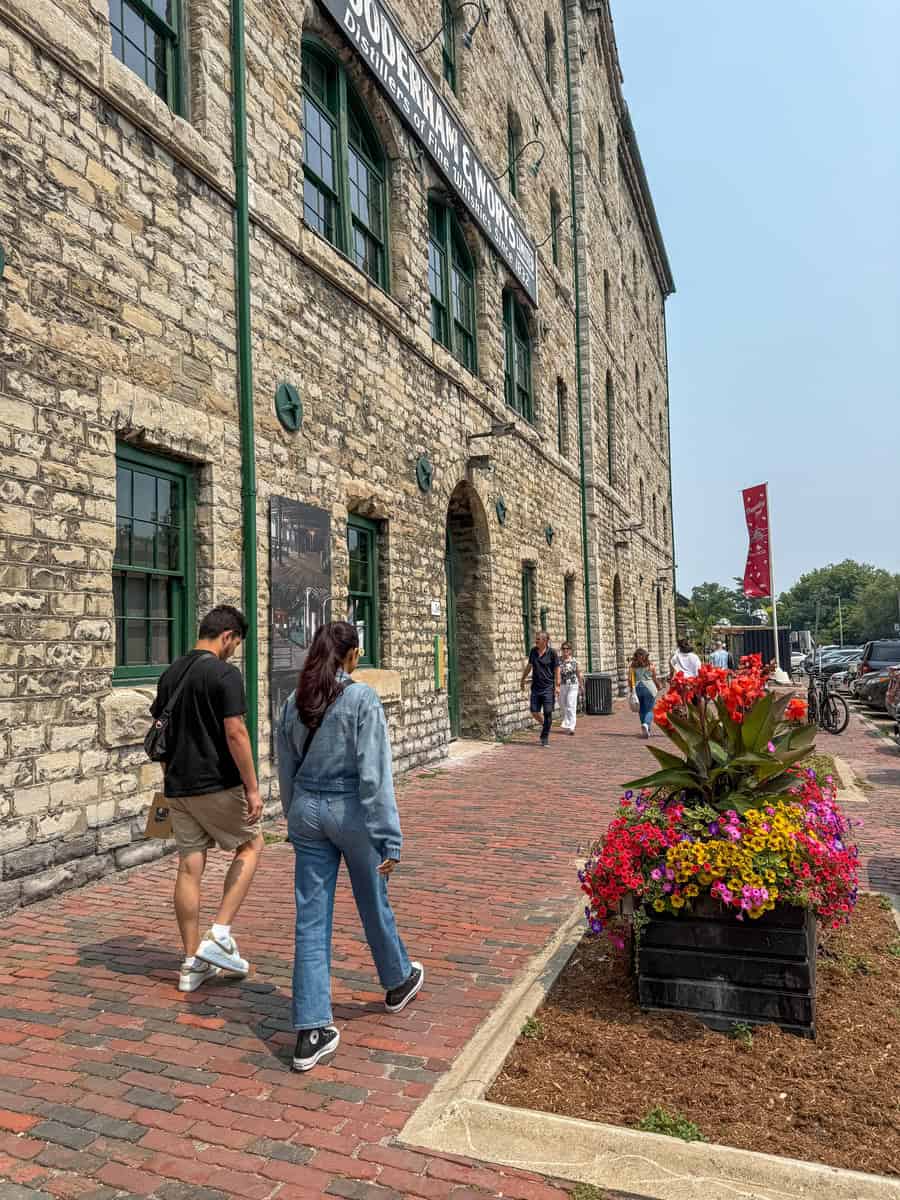
Sure, the CN Tower, Casa Loma, and Royal Ontario Museum are iconic, and first-time visitors will want to see those. But what makes this Toronto travel guide different is that it digs deeper into the hidden gems and real local favourites.
It’s in the unexpected – the quiet corners of the Toronto Islands, the cobblestone lanes of the Distillery District, the colourful stalls at St. Lawrence Market, and even quirky spots like the Bata Shoe Museum.
As a local, I can tell you that Toronto is made for exploring. One weekend in winter might include ice skating at Nathan Phillips Square and warming up with hot chocolate in the Distillery District, while a summer day could mean strolling through High Park in bloom or catching a sunset ferry ride to the Toronto Islands. Another might mean vintage shopping in Kensington Market, taking in an art exhibit, or watching the Blue Jays play at Rogers Centre.
This city is layered – with world-class attractions, a deep love of the outdoors, a serious sports culture, and some of the best food and shopping in the country. And the best part? Most of what makes Toronto so great won’t show up on those typical “top 10” lists.
☞ Visiting with family? Check out my guide to the best things to do in Toronto with kids with my local tips and suggestions.
Popular Toronto Events and Festivals
One thing that sets Toronto apart? There’s always something going on.


From world-famous festivals to local street events, Toronto’s calendar is packed year-round and planning your trip around one of them can totally change your experience. I’ve met many visitors on the GO Train headed to see Taylor Swift or one of the 2025 World Series baseball games. Whether you’re into music, sports, culture, or holiday magic, there’s an event for you here.
Some of the most popular Toronto events include:
- FIFA World Cup 2026 – Toronto is one of the host cities for the 2026 World Cup, and excitement is already building. If you’re planning a trip that year, expect massive crowds, international energy, and one-of-a-kind watch parties across the city.
- The Toronto International Film Festival (TIFF) – One of the biggest film festivals in the world, drawing major celebrities and film lovers every September.
- The Canadian National Exhibition (CNE) – A classic end-of-summer fair complete with carnival rides, outrageous food, and the annual Air Show over Lake Ontario.
- Toronto Jazz Festival – Queen street in the Beaches neighbourhood becomes a pedestrian-friendly, three-day music festival.
- Holiday Markets and Christmas Lights – From the Winter Village in the Distillery District to city-wide light displays, December is a great time to visit the city.
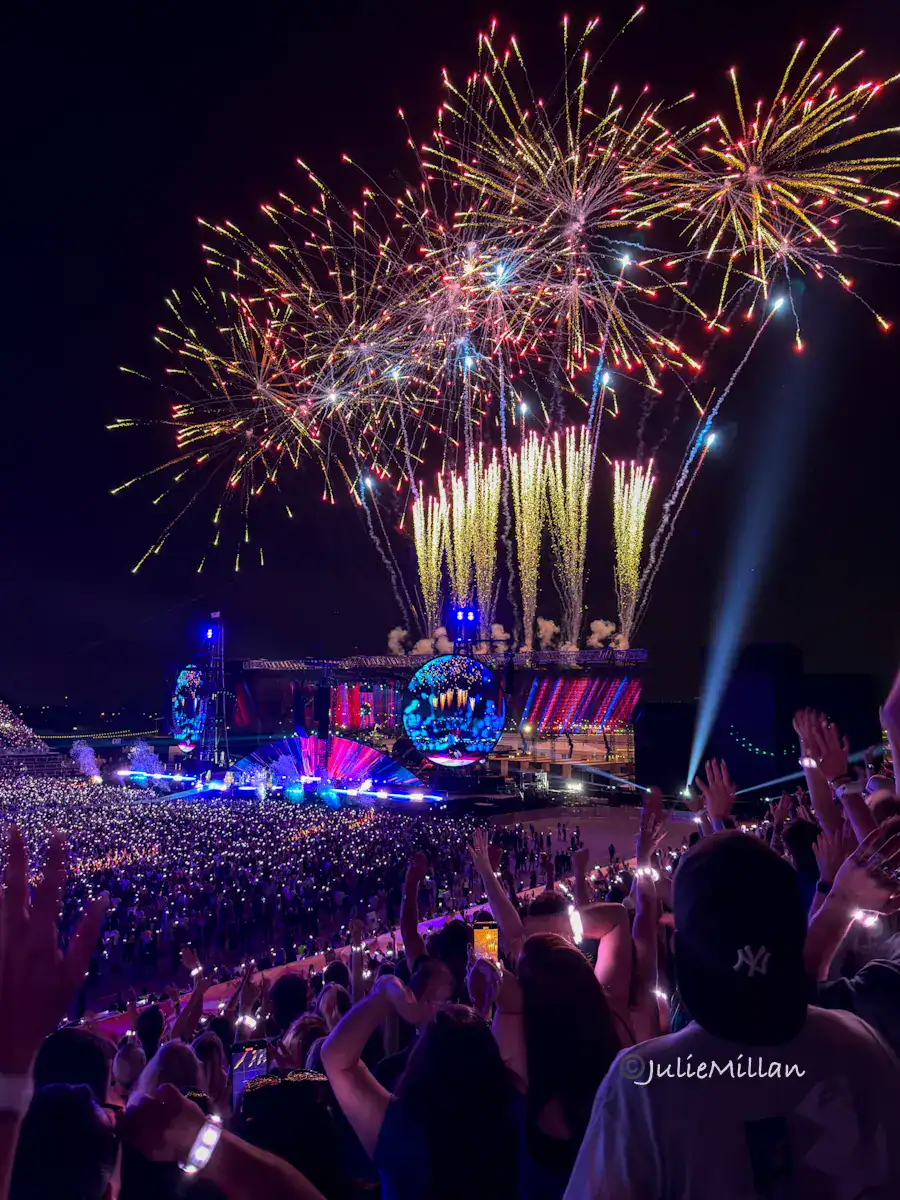
- Outdoor Concerts – Toronto’s newest venue, Rogers Stadium north of the city, hosts massive outdoor shows – but summer also means music festivals in the heart of the city.
- Sporting Events – Toronto is a serious sports town. Catch a Blue Jays game, cheer on the Maple Leafs or Raptors, or check out the Women’s Hockey League, Argos Football, and even pro lacrosse.
Before you book your trip, check what’s on – you might just end up timing it with a once-in-a-lifetime experience.
Toronto Neighbourhoods Guide: Where to Go & What to Expect


Toronto is a city of neighbourhoods – each one with its own energy, architecture, food, and flair. While most first-time visitors stick to the downtown core – including the Waterfront, Financial District, and the Old City – the real heart of Toronto lives in its surrounding neighbourhoods.
If you want to experience the city like a local, hop on a streetcar or rent a bike and start exploring. Whether it’s vintage shopping in Kensington Market, brunch in Leslieville, or a stroll along the boardwalk in The Beaches, every pocket of Toronto offers something unique.
Some of our favourites include:
- Greektown (The Danforth) for authentic souvlaki and local shopping options.
- Little Italy and Ossington for some of the best pizza and espresso bars in the city.
- Chinatown and Koreatown for delicious eats that won’t break the bank.
- High Park and Riverdale for greenery, trails, and a slower pace.
We often spend an unplanned weekend afternoon exploring a new neighbourhood – grabbing lunch at a mom-and-pop restaurant, checking out local boutiques, and maybe even stumbling upon a street festival or live music.
And if you’re a foodie, this is the way to discover Toronto. From food truck festivals to food markets to multicultural street fairs, the best way to taste the city is neighborhood by neighborhood.
☞ If you’re ready to plan your itinerary, To jump right into planning your trip, check out my Toronto itinerary guides.
Where to Stay in Toronto
In this Toronto guide, I always recommend staying downtown to make the most of your time. The downtown core is by far the most convenient for first-time visitors. You’ll be within walking distance of major attractions, transit, restaurants, and even day trips like Niagara Falls – all without needing to rent a car.
For convenience, base yourself near Union Station or the Waterfront – areas that put you close to attractions and transit. It’ll make your visit smoother and save you time getting around.
Before booking, take a moment to:
- Check the exact location (some hotels labeled “downtown” are on the outskirts).
- Read recent reviews, especially for service and cleanliness.
- Compare amenities like pools, breakfast, or parking – these can be worth the splurge in a pricey city.
And yes – Toronto hotel prices can be a bit of a shock. In my opinion, this is partly due to a shortage of mid-range options. Many of the new builds are luxury-focused, and prices often spike during big events or summer weekends.
Where to Stay in Toronto: Best Hotels for Every Budget
Here are three hotels I always recommend to friends and family visiting Toronto – from boutique charm to unbeatable location.
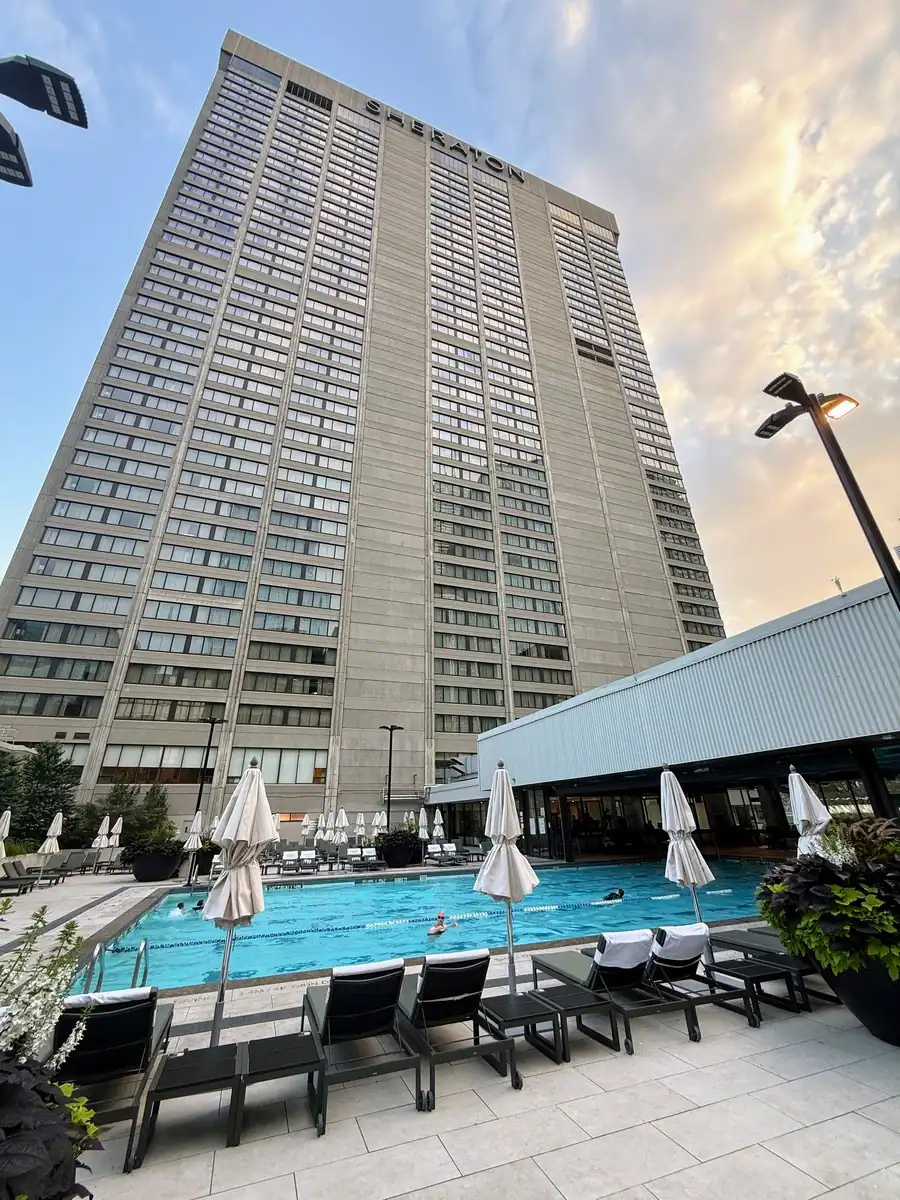
✓ Sheraton Centre Toronto Hotel – Perfect Location
Best for overall experience and location. It’s right across from Nathan Phillips Square (home to the famous Toronto sign), walking distance to Queen West and the Entertainment District, and has an indoor/outdoor pool. Plus, it’s been newly renovated – and it shows.
☞ Want an honest review? Read my detailed breakdown of Sheraton Centre Toronto – it’s one of my top picks.
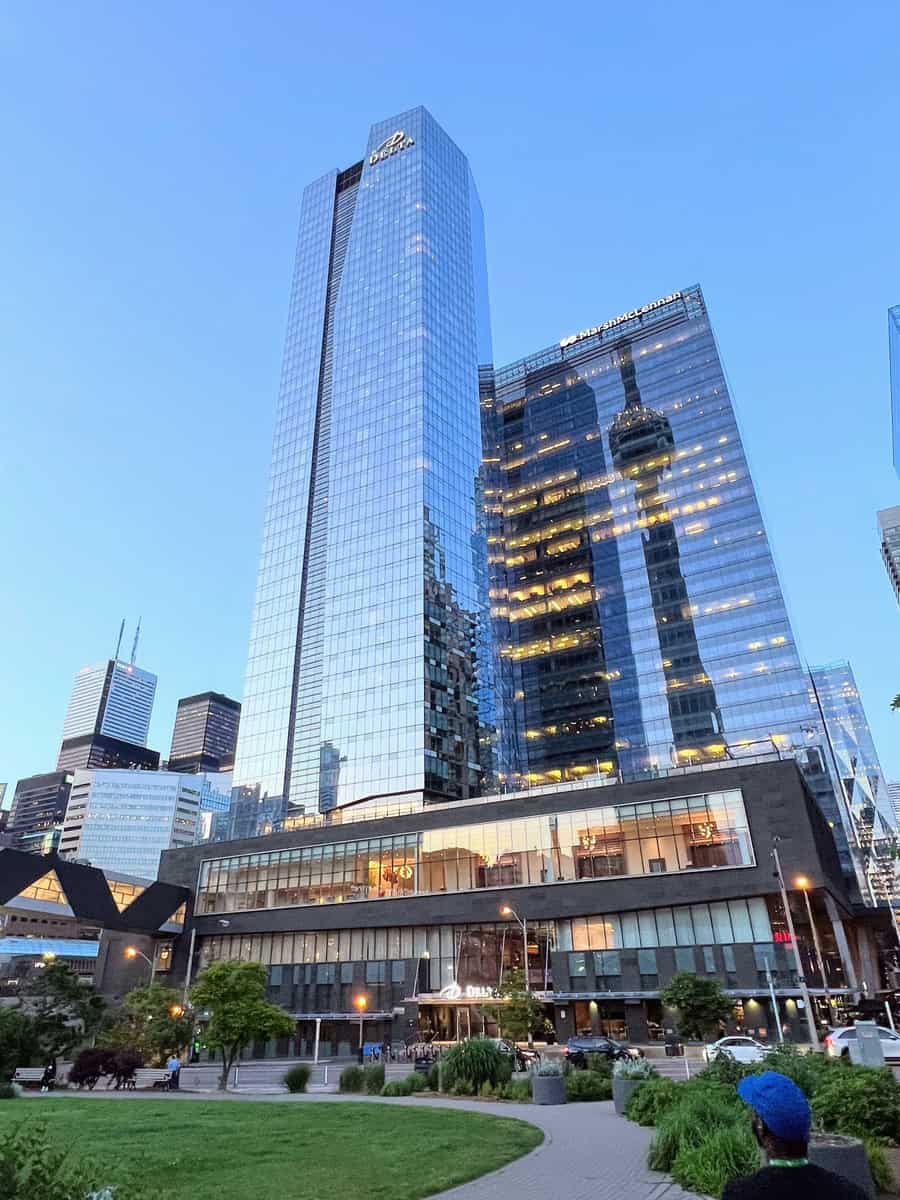
✓ Delta Hotels by Marriott Toronto – Modern with Great Views
If you want to stay in the heart of the action, this modern hotel is right beside the CN Tower, Rogers Centre, and Union Station. The views of the city and waterfront are hard to beat. This is the hotel I recommend to friends who want to stay in beautiful hotel in a great location.
✓ The Gladstone House – Boutique Option
For something more boutique and artsy, head to West Queen West and check into this renovated historic property. It blends original architectural charm with bold, creative design and is just steps from Trinity Bellwoods Park and some of Toronto’s coolest indie shops and cafes.
Ready to start planning your Toronto trip? Book one of my favorite hotels now for the best locations and views.
☞ Looking for something specific? Check out my Best Hotels with a Pool in Toronto or Hotels Near BMO Field if you’re heading to a concert or game.
Toronto Travel Tips: Local Advice for a Smooth Trip

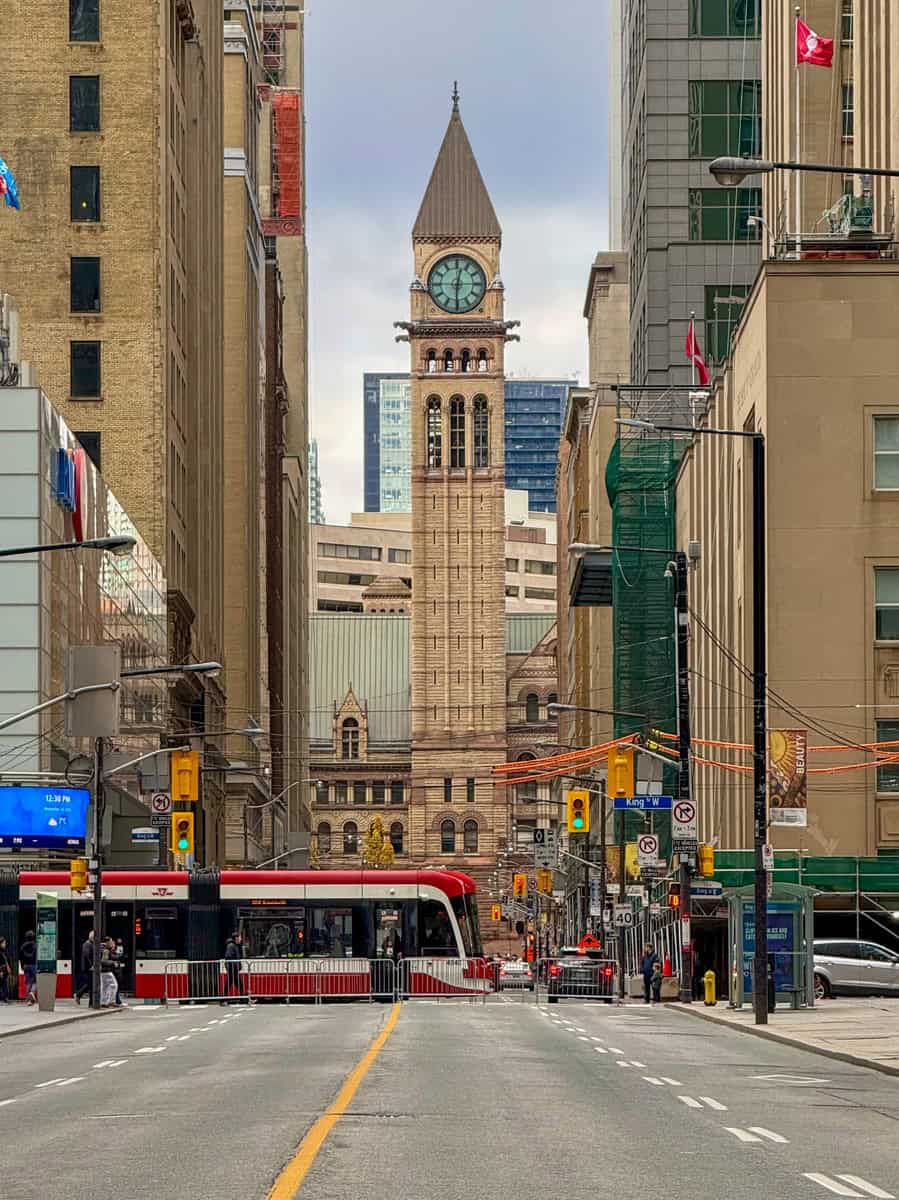
As your ultimate Toronto visitor guide, this post gives you the local perspective and practical tips to explore confidently. From navigating public transit to choosing the right season to visit, here are a few things I always tell friends and family before they come to the city.
Getting Around Toronto Without a Car: Public Transit Tips
When traveling in Toronto, having a car isn’t necessary. In fact, public transit is often the faster choice.
The TTC (Toronto Transit Commission) includes subways, buses, and our iconic streetcars. For about $3.30 CAD, you’ll get two hours of unlimited transfers and kids under 12 ride free. If you’re coming from the airport or heading to the suburbs, the UP Express and GO Train are fast, convenient options.
Rideshares like Uber and Lyft, or taxis, are also an option – especially if you’re heading to a concert or theatre show, dressed up for dinner on a rooftop patio, or just want to feel more comfortable walking alone at night. If you’re staying at a hotel, the concierge will be happy to help you find a ride.
☞ Not renting a car? My guide on getting around Toronto without a car has everything you need.
How to Get to Niagara Falls from Toronto (and Other Day Trips)
Toronto’s Union Station is more than just a subway stop – it’s the city’s major transportation hub. From here, you can catch the GO Train or VIA Rail to destinations like Niagara Falls, Ottawa, Kingston, Montreal, and Quebec City.
It also connects directly to both airports. The UP Express goes to Pearson International, while Billy Bishop Airport is just a short walk or shuttle ride away.
☞ Planning a trip to Niagara Falls? Here’s how to get from Toronto to Niagara Falls and whether it’s worth it as a day trip.
Driving in Toronto: What Visitors Need to Know
Toronto is a very busy urban city and our traffic has become infamous. Tom Cruise has complained and even musicians and hockey players have had to walk to their events to avoid the traffic congestion. If you’re thinking about driving here, a little preparation will go a long way.
Downtown driving can be a challenge, especially with one-way streets, restricted left turns, and ongoing construction. You can turn right on a red light unless a sign says otherwise.
Streetcars can be confusing for newcomers – especially when they stop to let passengers on and off. You must stop behind the back doors when people are boarding or exiting. If you’re unsure, it’s best to hang back and give them room and try to avoid streetcar routes.
Toronto is connected by several major highways, including the Gardiner Expressway (which runs along the waterfront), Highway 401 (one of the busiest highways in North America), and Highway 407, a toll-based route that helps you bypass city traffic. I often joke with my children – if you can drive on the 401, you can drive anywhere in the world.
If you do decide to drive, bring your patience – and plan your route and parking ahead of time. Parking downtown can be limited and expensive, but garages and lots are available if you know where to look.
Parking in Toronto: Insider Tips
Finding parking in Toronto can be manageable – as long as you plan ahead.
The most economical (but still not cheap) option is to look for Green P lots, which are city-run and fairly well distributed across downtown. I usually start there. You can also use apps like SpotHero to reserve a parking spot in advance and avoid circling the block.
If you’re trying for street parking, be very careful about reading the signs. There are strict time limits, no-parking hours, and even tow-away zones that can catch visitors off guard.
Parallel parking is common, especially in the downtown core. As a local, I’ve mastered it – but my family from the suburbs? They’ll happily pay for a lot just to avoid the stress of cars lining up behind them as they try to squeeze in.
If you’re heading to a major event or festival, I highly recommend taking public transit instead. I’ve seen cars get stuck in gridlock for over an hour trying to leave the Beaches after fireworks or navigating the one-way streets after the Distillery Winter Village.
Best Time to Visit Toronto: Weather, Events and Tips by Season
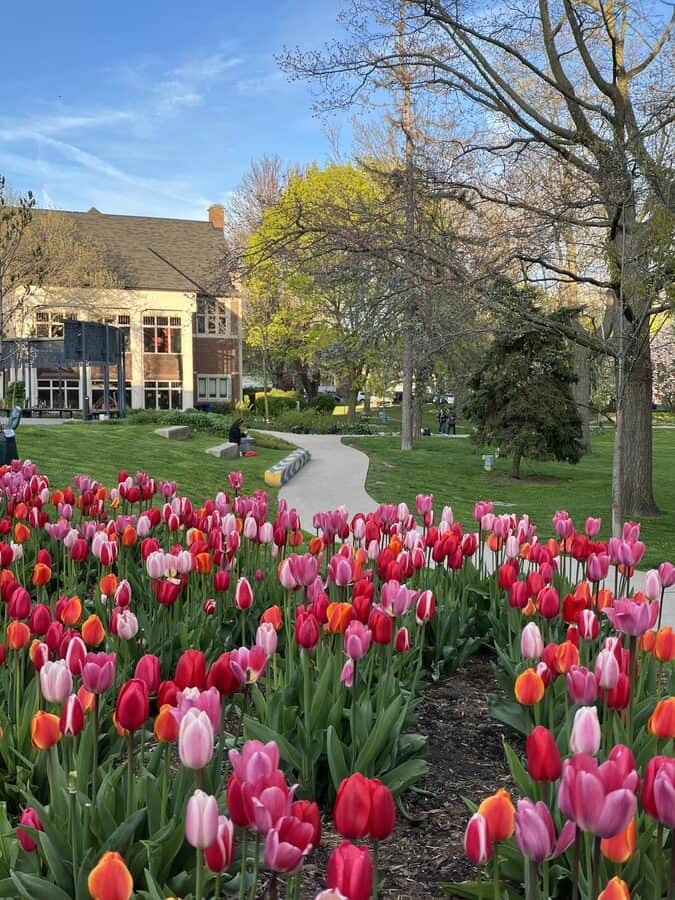

No Toronto vacation guide would be complete without helping you choose the perfect season for your trip. Whether you’re reading this as a Toronto travel guide or planning your first big city break, choosing the right season can make all the difference.
Summer (June–August) is peak tourist season. The city comes alive with outdoor festivals, street markets, rooftop patios, and buzzing beach boardwalks. It’s hot and sunny – perfect for soaking up the energy, but hotel prices and crowds rise with the temperatures.
Spring (late April–May) and fall (September–October) are ideal if you’re looking for a balance of nice weather, fewer crowds, and lower prices. Spring brings cherry blossoms to High Park, while fall offers stunning foliage in the city’s parks and ravines.
Winter (December–February) in Toronto is cold, but magical in its own way. It’s the season for holiday markets, indoor arts events, and cozy cafés. Plus, if you don’t mind bundling up, you can score great deals on accommodations and enjoy fewer lines at major attractions.
As a local, I always recommend spring or fall if you have flexibility. It’s when the city is most comfortable, walkable, and with fewer tourists.
☞ Visiting in a specific season? Don’t miss my seasonal guides – whether it’s winter in Toronto or spring cherry blossoms, I’ve got you covered.
Toronto Weather by Season: What to Expect


Toronto has four distinct seasons and depending on when you visit, you might find yourself sunbathing at the beach or bundling up for a snowy stroll.
- Summer is warm and sunny, great for days at one of Toronto’s beaches or many outdoor festivals.
- Fall brings crisp air, Canadian Thanksgiving, and stunning fall colours.
- Winter is snowy, with chances to go skating, skiing, or simply enjoy the city’s cozy indoor spaces.
- Spring starts cool, but gardens soon explode with blooming tulips and cherry blossoms.
The one thing all Toronto locals learn? Dress in layers. It’s not unusual to get sunshine, rain, and snow – all on the same day. Check the forecast, pack smart, and you’ll be ready for anything.
Toronto Culture, Customs, Tipping and Currency Guide
Toronto is one of the most multicultural cities in the world – you’ll hear dozens of languages spoken around you. While English is the primary language, you may see some signs in French (Canada’s second official language), and you’ll regularly hear other languages spoken throughout the city.
Tipping in Toronto
Tipping is standard across Canada and expected for most services. Here’s a general guide:
- Restaurants: 15–20% of the pre-tax bill
- Taxis and rideshare: 10–15%
- Other services (salons, tour guides, etc.): typically 10–20%
It’s not mandatory, but it is very much the norm and omitting a tip can come across as rude unless there was a serious issue with the service.
Taxes & Currency
Canada has two main taxes: HST (Harmonized Sales Tax) and GST (Goods and Services Tax). These are added on top of the listed price, which often surprises visitors – especially when dining out or shopping.
Toronto uses the Canadian dollar (CAD). While some major tourist shops may accept U.S. dollars, it’s not guaranteed – and you’ll always get change in CAD. It’s best to pay in local currency.
Also worth noting: Toronto is increasingly cashless. Many venues, including large ones like Rogers Centre and Rogers Stadium only accept debit or credit card payments.
Food in Toronto: Where to Eat
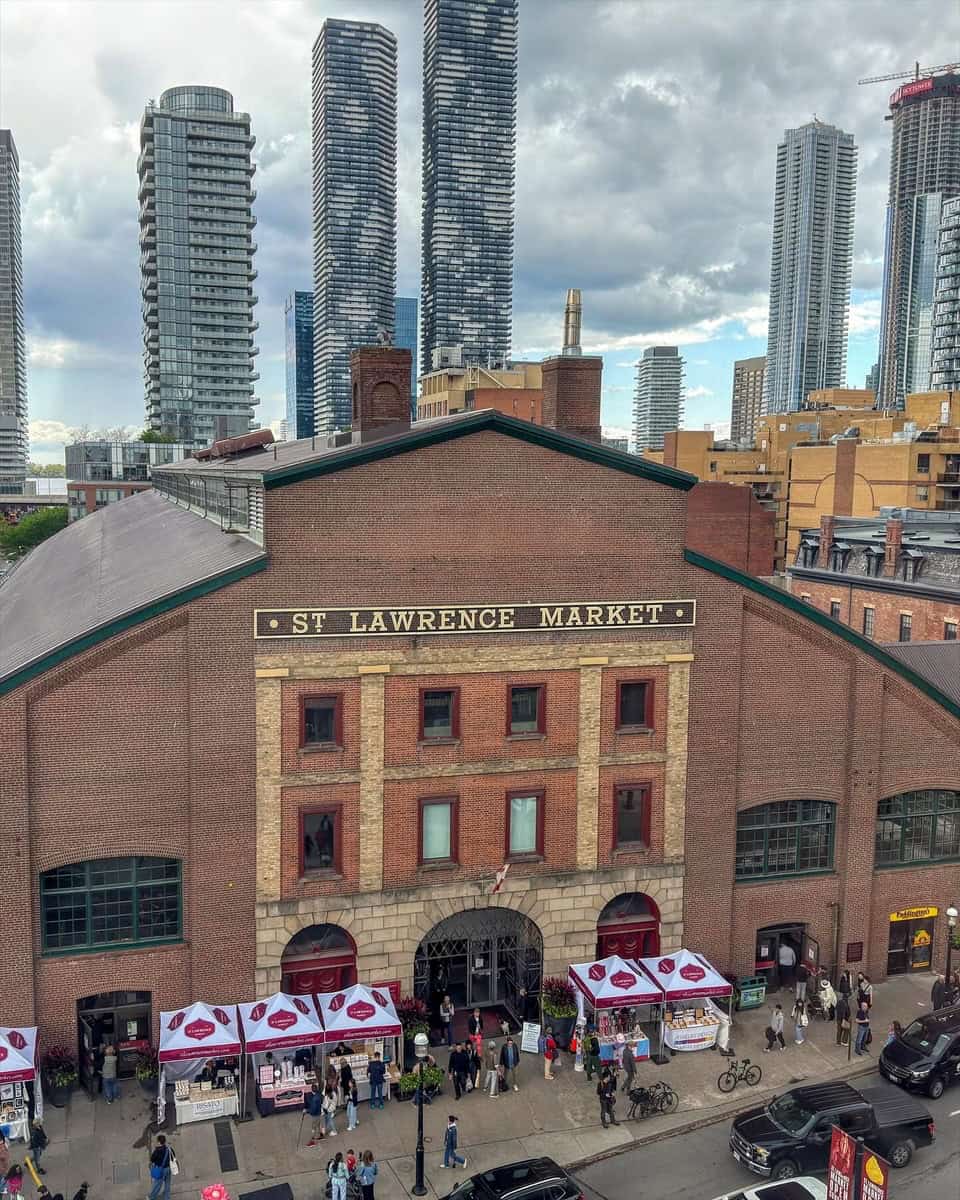
Toronto’s food scene is just as diverse as its population and that means you’ll find every kind of cuisine here, from street snacks to Michelin-starred tasting menus.
One of the best places to start is the historic St. Lawrence Market, where you can sample everything from peameal bacon sandwiches to fresh seafood and international treats under one roof. Beyond that, the city’s food scene stretches across rooftop patios, bustling pubs, elegant fine dining, authentic neighbourhood spots, and even late-night food trucks.
Toronto has been recognized as one of the best food cities in the world – even Condé Nast named it #11 globally in 2016 – and it just keeps getting better.
If you’re visiting in summer or winter, look out for Summerlicious and Winterlicious. These city-wide events offer fixed-price menus at top restaurants, making it easy to try buzzworthy spots at a great value.
Whether you’re craving dim sum, jerk chicken, handmade pasta, shawarma, ramen, or fresh pastries, you’ll find it in Toronto and often all on the same block.
How Many Days Do You Need in Toronto?

If you’re just looking to check off the main sights – the CN Tower, a couple of museums, and a visit to St. Lawrence Market – then 3 to 4 days will give you a solid intro to the city.
But if you want to explore Toronto more like a local, wander through different neighbourhoods, hit the beach in summer or a show at night, and take a day trip to Niagara Falls or wine country, then plan for 5 to 7 days. Toronto has a lot to offer beyond its core and the extra time makes all the difference.
Is Toronto Safe?
Yes – Toronto is considered one of the safest large cities in North America. Like any major urban area, it’s not without its issues, but for the most part, visitors feel comfortable walking around, even in the evening.
That said, it’s smart to stay aware of your surroundings. Pickpocketing can happen, especially in crowded areas or on public transit, so keep your belongings secure. Homelessness is visible in parts of the city, and occasionally you may witness individuals struggling with mental health – but these encounters are rarely threatening.
Stick to main streets, tourist areas, and well-lit places at night, and you’ll likely have no issues. If you’re ever unsure, hotel staff or locals are usually happy to advise on where to go (or avoid).
As a local, I walk the city all the time – and I’d absolutely recommend it as a safe and welcoming destination.
As we wrap up this Toronto travel guide, there’s one nearby spot that deserves a mention.
Niagara Falls from Toronto: Why It’s Worth the Trip

Many people pair a trip to Toronto with a visit to Niagara Falls and I absolutely recommend doing the same, especially if it’s your first time in the area.
Every visitor we’ve hosted – from friends to grandparents, aunts and uncles, and cousins – has wanted to see the Falls. And honestly? A trip to Toronto doesn’t feel complete without it.
The good news is: you can easily visit Niagara Falls in a day. Whether you drive, take the train, or join a guided tour, it’s about two hours from downtown. Some travellers choose to stay overnight – or even spend a couple of days – to also explore Niagara-on-the-Lake and the surrounding wine country.
There’s something for everyone:
- Ride a boat cruise right up to the base of the Falls
- Dine at a restaurant overlooking the water
- Ride the SkyWheel on Clifton Hill
- Explore family attractions, scenic viewpoints, or just soak up the iconic views
☞ Want to add Niagara Falls to your Toronto itinerary? Check out my full guide to visiting Niagara Falls from Toronto.
Planning Your Trip? Save This Toronto Travel and Vacation Guide

I hope this Toronto travel guide has helped you get a better sense of what to expect from Canada’s most dynamic and diverse city.
Whether you’re planning a quick city break or a week-long adventure, Toronto offers something for every kind of traveller – from world-class attractions to hidden neighbourhood gems, food from every culture, and even day trips around Ontario.
As a local, I’m excited to help you explore more of what makes this city special. So dive into the guides linked throughout this post and start planning a trip to Canada you’ll love.
Still Finalizing your Plans to Visit Toronto?
You might find these travel guides helpful:
- Perfect 4 Day Toronto and Niagara Travel Itinerary
- Best Day Tours from Toronto to Niagara Falls
- One Day in Toronto: Perfect Itinerary for First Time Visitors
- 3 Days in Toronto: The Perfect Toronto Itinerary
- Is Niagara Falls, Canada Worth Visiting?
- 19 Best Things to Do in Niagara Falls Canada (First-Time Visitor Guide)
- Is the Sightseeing Toronto Hop-On Hop-Off Bus Tour Worth it?
☞ Join my Facebook Group: Toronto, Ontario, and Niagara Falls Canada Travel Tips and Planning to ask your questions and get personalized travel help from
