

Visiting Niagara Falls? Here’s the Best Time to Go
In short: The best time to go to Niagara Falls really depends on your travel style. Summer is lively and busy but everything is open, while spring and autumn offer fewer crowds and colourful views. Winter? It’s quiet, icy, and a frozen masterpiece.
Planning a bucket list trip to Niagara Falls and want to make sure you pick the perfect time to go? I’ve been to Niagara Falls in every season and I can confidently say each one brings its own kind of experience.
From watching ice form along the edges of the Horseshoe Falls in winter, to strolling past blooming tulips in spring, this destination transforms with the weather. This guide is perfect if you’re planning your first visit to Niagara or just want to time it right to match your ideal travel experience.
The official tourist season typically kicks off after Victoria Day in May and winds down around Canadian Thanksgiving in October. If you’re hoping to ride the Hornblower Cruise, see nightly fireworks, or take in every major attraction, this is the window when you’ll find all the attractions open and running. But not every part of that season is created equal.
If I had to narrow it down, I’d say the sweet spots are late May to early June, and again in September. Why? The weather is warm but not oppressive, the major summer crowds haven’t yet surged (or have just left), and you’ll often find better prices on accommodations. Plus, all the iconic attractions are still open, so you’re not missing out.
This site contains affiliate links. If you make a purchase using one of these links, we may receive compensation at no extra cost to you. See our Disclosure Policy for more information.
Why Timing Your Trip to Niagara Falls Matters
There are good reasons to visit Niagara Falls in every season. Whether you’re after snowy landscapes, blooming gardens, or colourful fall leaves, timing your trip means getting the version of the Falls that fits your style.
Below, I’ll walk through what to expect each season, who it’s best for, and tips to make the most of your visit.
Key Factors That Affect Your Niagara Falls Experience
Choosing the best time to visit Niagara Falls isn’t just about the season – it’s about what kind of trip you want. These four factors will help you figure out when to go based on your own travel style and priorities.

1. Weather at Niagara Falls Throughout the Year
Niagara Falls weather shifts dramatically with the seasons, and it plays a big role in how you experience the falls.
In summer, expect hot, humid days – great for Niagara Falls boat tours and relaxing on patios, but less ideal for long hikes under the midday sun.
Spring and autumn offer the most comfortable temperatures. I often come to see the cherry blossoms and fall leaves and all I need is a light jacket (and sometimes an umbrella).
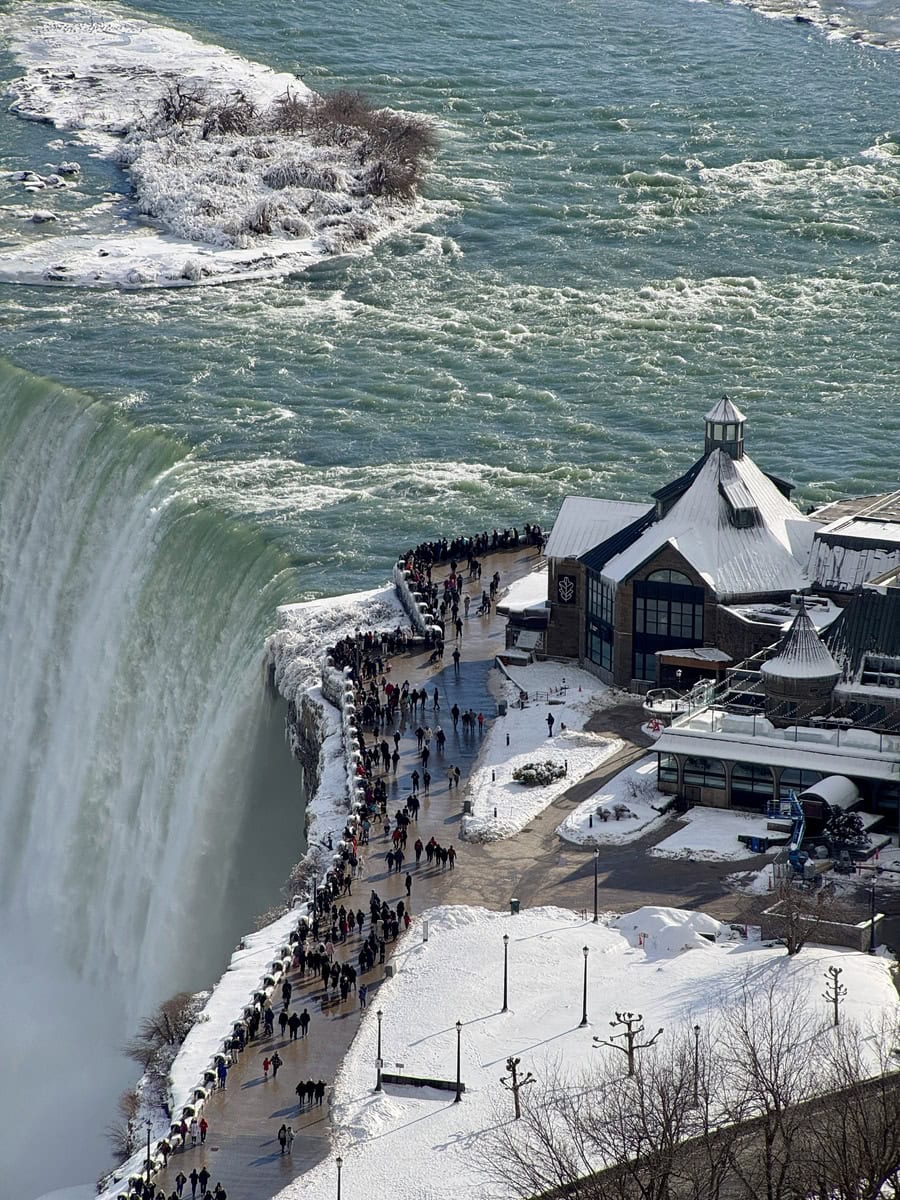
Winter, though? It’s cold. Like, really cold. But it’s also one of the most beautiful versions of Niagara I’ve ever seen. The mist freezes on railings and trees, turning the entire landscape into a snow globe. If you can brave the chill, the frozen beauty and quiet atmosphere make it unforgettable.

2. When Crowds Peak (And When to Avoid Them)
Niagara Falls sees millions of visitors annually. Expect packed attractions with long lines and busy hotels from late June through August (especially on weekends and holidays). In contrast, spring, fall, and winter have fewer visitors and fewer (if any) lineups.
- Busiest months: July and August (particularly weekends and holidays)
- Quietest times: Mid-week in spring or late fall, and much of winter
Personally, I love visiting in late September or early October. The fall colours are at their peak, the weather is comfortable, and there are significantly fewer tourists.
☞ Trying to avoid the chaos? These are my top tips for visiting Niagara Falls.
3. Which Attractions Are Open — And When they Close
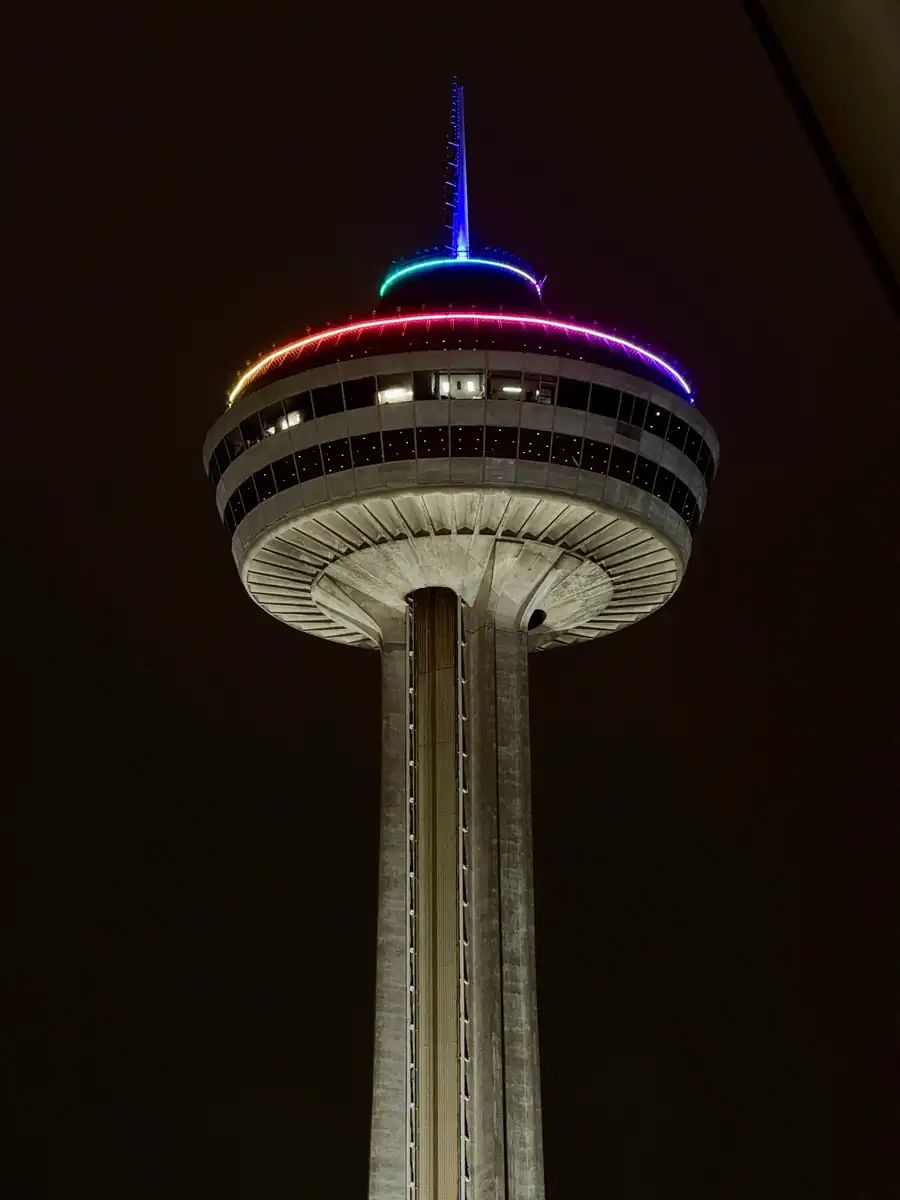
Most major attractions (like the Hornblower Cruise, Whirlpool Jet Boats, and Aero Cable Car) run from late spring through October. In winter, many close – but others, like Journey Behind the Falls, the Butterfly Conservatory and the Skylon Tower, stay open year-round.
- Full access: Late May to early October
- Limited operations: November to April
Always check seasonal hours, especially in shoulder months. A few minutes of planning can make the difference between seeing your must-do attraction or missing it by a week.
☞ Curious to learn more? Read my honest review of the Skylon Tower for more information on this attraction with a bird’s-eye-view of the falls.
4. Seasonal Prices: When Niagara Falls Is Cheapest
Accommodation and tour prices swing with the seasons. Summer sees the highest prices, particularly on weekends and holidays. You may find some lower prices in the shoulder season, but the best prices will be in winter.
Niagara Parks offer savings on admission with their bundled ticket options for various attractions. These offer the best value in the summer as everything is open. Read my guide to the Niagara Parks Adventure Pass for all the details.
☞ Looking for some budget-friendly accommodation options? Read my personal list of the best cheap hotels in Niagara Falls.
Niagara Falls Attractions by Season
Not all Niagara Falls attractions are open year-round — here’s a breakdown of what to expect by season.
✓ Niagara Falls in Spring: Blooms, Beauty & Shoulder Season Magic
Spring is one of the most underrated times to visit Niagara Falls, but it’s secretly one of my favourites. I come every year as the city wakes up from winter. With spring flowers and attractions opening, it’s an ideal time to visit.
Yes, the weather can be unpredictable (I’ve been caught in more than one sudden downpour), but the rewards are worth it. You’ll find clear views of the Falls, colourful gardens, and far fewer crowds.


What to Expect in Spring
- Chilly in March, but comfortably mild by late May
- Fewer visitors and a slower pace
- Clear views of the Falls before foliage thickens
- Flowers blooming throughout the gardens and public spaces
- Most attractions reopen by the end of May, just ahead of the summer rush
I personally love this time of year because it allows me to take photos I can’t capture any other season. Magnolia Alley at the Floral Showhouse is my go-to for great Instagram shots, and walking through the Botanical Gardens in April feels like stepping into a Monet painting.


Best Spring Activities
- Floral Showhouse: Orchid displays inside a warm glasshouse
- Botanical Gardens & Niagara Parkway: Tulips and cherry blossoms in full bloom
- Magnolia Alley beside the Floral Showhouse: Ideal for spring photos
- Lilac Gardens: Just by the Floral Clock, blooming in late May
- Floral Clock: Reopens in spring and looks fresh with its new seasonal design
If you’re like me and enjoy slow mornings with a camera, a coffee, and no crowds to dodge, this is the season for you. I rarely have to wait in line, and I often find I can enjoy some of the most scenic spots all to myself.
Who It’s Best For: Flower lovers, peaceful wanderers, and those looking to visit before the crowds arrive
Travel Tip: Bring a light jacket, umbrella, and waterproof shoes – spring is lovely but the weather can be unpredictable.
☞ Looking for more ideas for this season? Check out my guide to Spring in Niagara Falls, Canada.
✓ Niagara Falls in Summer: Full Access, Fireworks & Crowds
Summer is when Niagara Falls puts on its biggest show. This is peak season – and it shows. The energy is high, everything is open, and the city swells with visitors from all over the world. If you’ve never been before and want the full experience, this is the time to go.
With long days and warm temperatures (sometimes hot and humid), summer gives you access to every major attraction including nightly fireworks and extended attraction hours. It also feels very safe and lively, thanks to the sheer number of people out and about.
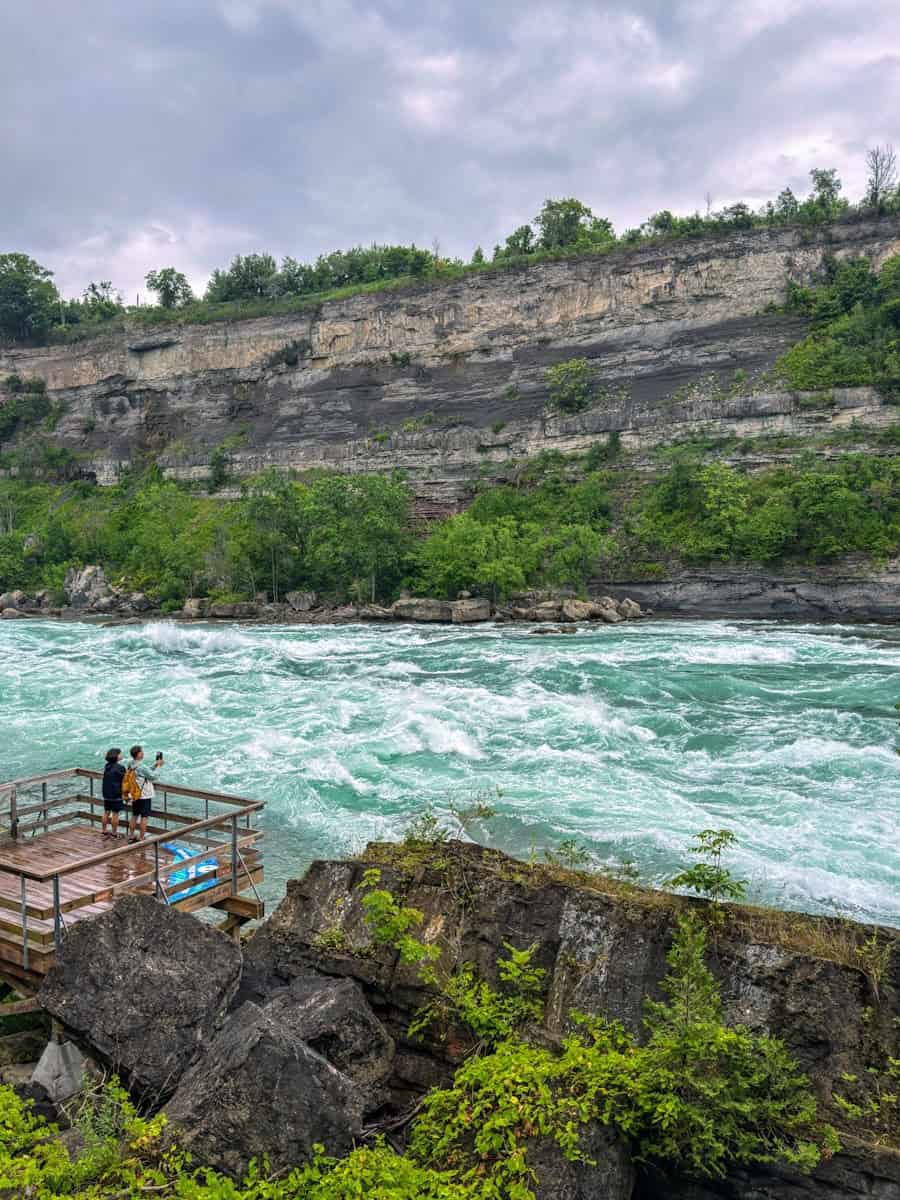
Yes, it gets crowded. But with a little planning, you can still find pockets of peace. I usually start my day early. For example, I like to visit the White Water Walk first thing at 9 a.m. – I often have the boardwalk to myself and I’m guaranteed to avoid any of the tour busses!


What to Expect in Summer
- All attractions and tours are running
- Nightly fireworks and summer events
- Peak crowds, especially in July and August
- Hot and humid weather – great for boat tours, not ideal for long hikes mid-day
- Frequent WEGO bus service, including shuttle to Niagara-on-the-Lake
Best Summer Activities
- Hornblower Boat Cruise: Classic experience. Prepare to get soaked – and dry off quickly in the sun.
- Jet Boat Tour: High-adrenaline adventure. You’ll get drenched, and it’s worth it.
- White Water Walk: A peaceful boardwalk right beside the rapids – get there when it opens.
- Day Trip to Niagara-on-the-Lake: Quaint shops, shaded streets, and excellent restaurants.
- Wineries or a wine tour: Outdoor patios, wine slushies, summer concerts, and sunsets over the vines.
- Niagara Falls Helicopter Tour: A splurge, but incredible on a clear day. Seeing the Falls from the air is unforgettable.
Summer gives you everything Niagara has to offer – just be prepared to share it with the world.
☞ Need help picking a winery? Don’t miss my list of the Best Niagara on the Lake Wineries.
✓ Niagara Falls in Fall: Foliage, Fewer Crowds & Gorgeous Hikes
I’ll admit it – fall is my favourite time to visit Niagara Falls. The air is crisp, the crowds are gone, and the city glows in shades of gold, orange, and red. If you’re into nature photography or just want a peaceful, scenic escape, this is your season.
Attractions are still open through October, but without the queues and chaos of summer. One of my personal highlights is riding the Aero Car across the gorge in mid-October. With the leaves in full colour, it’s easily one of the best views in the area. And if you’re up for a bit of adventure, the hiking trails at Niagara Glen are quiet and stunning this time of year.
The weather can turn quickly – after Canadian Thanksgiving, expect cooler temps and a mix of sunny and rainy days. But that also means dramatic skies and some of the clearest air for photography.

What to Expect in Autumn
- Comfortable early fall temps, cooling significantly by November
- Peak fall colours from late September through mid-October
- Most attractions still open until late October or early November
- Fewer crowds, making it easier to take your time and explore
Best Autumn Activities
- Aero Car ride over the gorge – Views of the foliage are unbeatable from above
- Niagara Glen hiking trails – Peaceful, scenic, and ideal for fall photography
- Hornblower Cruise (until Nov 1) – Same iconic experience, way fewer people
- Zipline to the Falls – No lines, and you’ll catch the canopy in full colour
☞ Looking to learn even more? Read my complete guide to visiting Niagara Falls in the Fall to help you plan your autumn vacation to Niagara.
✓ Niagara Falls in Winter: Frozen Magic, Quiet Views & Deals
Winter at Niagara Falls feels like stepping into a snow globe. The mist turns to frost on the railings, ice builds along the river’s edge, and the crowds disappear – leaving you with space to soak it all in. It’s quiet, photogenic, and surprisingly affordable.


Some of the best photos I’ve ever taken of the Falls were in winter, just after sunrise. The light hits the ice in a way that feels completely surreal. I’ve visited Journey Behind the Falls during this season and had the tunnels almost entirely to myself – a stark contrast to the shoulder-to-shoulder summer lines.
Yes, it’s cold. Really cold. But bundle up properly and you’ll be rewarded with some of the most unique and peaceful views Niagara has to offer.
☞ Want to plan the perfect off-season trip? Here’s my Niagara Falls Winter Itinerary.
What to Expect in Winter
- Frozen mist, snow-draped trees, and low visitor traffic
- Lower hotel prices and fewer lines at popular attractions
- Seasonal closures (e.g. boat tours), but plenty still open
- Reduced timetable and routes on the WEGO Bus system
- Authentic Canadian winter experience.
Best Winter Activities
- Winter Festival of Lights – A 6km stretch of twinkling displays and illuminated falls
- Poinsettia Show at the Floral Showhouse – Festive blooms + a photo with Santa if you’re visiting in December
- Skylon Tower Observation Deck – Heated indoors, open-air option for the brave
- Niagara Power Station – Open year-round and especially atmospheric in winter
- Cave of the Winds (US side) – Experience the icy power of the Falls up close
Travel tip: Bundle up – hats, mittens, hand warmers, lined trousers – you’ll want all the layers.
When NOT to Visit Niagara Falls
If you’re trying to avoid Niagara Falls crowds, steer clear of holiday weekends in July and August including Canada Day and the Fourth of July.
Peak Summer Season
The peak season at Niagara Falls runs from late June through Labour Day (the first weekend of September). Expect high hotel costs, busy restaurants, and lines at the main attractions. Summer is the busiest – and priciest – time to visit.
While summer can be busy, it’s still an amazing time to visit — you just need to pack a little patience and be ready for some lines. When I bring friends from out of town, I always suggest picking one or two key highlights to focus on rather than trying to cram everything in.
☞ Wondering what to do with kids? Read my guide to the best family-friendly Niagara attractions to help plan your perfect itinerary.
Mid-Winter Low Point: February
After the Winter Festival of Lights ends in early January, February is cold, quiet, and there are minimal attractions open. That said, it’s also one of the cheapest months to visit.
Tips:
- Splurge on a Fallsview room – admire the frozen falls from the warmth of your hotel room
- Stay close to the main strip to minimize time outdoors in the cold. My pick? I recommend Sheraton by the Falls for the views and the location.
- Plan a shorter visit – two days is likely enough time to see Niagara Falls in winter.
☞ Looking for even more hotel options? Read my review of the best hotels in Niagara with a view for the ultimate comparison.
So… When Is the Best Time to Visit Niagara Falls?
Let’s be honest – there’s no one perfect time to visit Niagara Falls. It all depends on what kind of experience you’re after. But if you’re still deciding, here’s a quick breakdown to help guide you:
Best for First-Time Visitors and Families: Late May to Early September
- Warm weather, long days, and everything is open
- Best time for boat tours, fireworks, and full-on Niagara fun
- Expect bigger crowds and higher prices – but also the most choice
Best for Fewer Crowds and Lower Prices: April–May or October
- Shoulder season means cheaper hotels, smaller lines, and milder weather
- Ideal if you prefer a quieter experience without missing the highlights
- Some attractions may have limited hours, especially in April and October
Best for a Unique and Quiet Experience: November to March
- Frozen mist, peaceful trails, and the lowest prices of the year
- Great for photographers, couples, or anyone who doesn’t mind bundling up
- Many outdoor activities pause for the season – but the views are unforgettable
- Events such as Winter Festival of Lights during the holiday season (November-January)

Final Thoughts: Pick the Season That Matches Your Travel Style
No matter when you go, Niagara Falls delivers. I visit from Toronto year-round, and whether I’m chasing spring blooms or photographing icy railings in winter, there’s always something new to see and do.
Each season comes with its own perks and trade-offs:
- Spring: Blooms, fewer crowds, mild weather – but not everything is open yet and there can be a lot of rain
- Summer: All attractions, long days, lively energy – but it’s busy and expensive
- Autumn: Peak foliage, great weather, thinner crowds – but cooler temps and shorter days
- Winter: Frozen beauty, peace, and low prices – but many attractions are closed
If you’re deciding based on cost, crowds, or scenery, it’s helpful to be honest about your priorities. Want to do it all? Summer’s for you. Prefer quiet paths and golden light? Go in the fall. Need the best deal? Try early spring or deep winter.
But if your schedule’s flexible, I’d recommend visiting in late May or early June – or late September to early October. You’ll get mild weather, incredible views, and nearly full access to attractions with far fewer people.
☞ Wondering about the best day tours from Toronto? These are my top 5 recommendations based on my local experiences.
Planning your visit? Check out my seasonal itineraries:
- Winter Itinerary: Quiet Beauty & Cozy Vibes
- Spring Guide: Blooms, Breezes & Peaceful Walks
- First Time Visitors: The Classic Niagara Experience
- 4 Day Toronto and Niagara Falls Itinerary
☞ Join my Facebook Group: Toronto, Ontario, and Niagara Falls Canada Travel Tips and Planning to ask your questions and get personalized travel help from a local.
